Choosing the best steak cuts starts with one question: what do you enjoy most about steak? For some diners, it is a tender bite. For others, it is rich marbling, a deeply browned crust, or a bold beef flavor. The perfect choice depends on your preferences, rather than a single cut that suits everyone.
Ribeye is a popular choice for richness, filet mignon is known for tenderness, and top sirloin offers satisfying beef flavor with a leaner profile. Understanding these differences makes a steakhouse menu easier to navigate and helps you order with confidence.
This guide explores the main types of steak cuts, compares their strengths, and explains how to choose a steak for your next meal. If you are planning a visit to Al Khobar, you can also discover Thermo Steakhouse and explore its approach to steak dining.
How to Choose the Best Steak Cuts for Your Taste
A steak’s character comes from its muscle structure, fat distribution, thickness, and preparation. These factors work together: a tender cut can still disappoint if poorly prepared, while a less expensive cut can deliver an excellent meal when handled well.
Tenderness describes how easily the meat yields when you bite into it. Flavor describes its beefy character and the richness developed during cooking. Marbling refers to the fine streaks of fat within the muscle, rather than the outer fat around a steak.
Your ideal balance is personal. If you dislike visible fat, a heavily marbled steak may not be your favorite. If you enjoy a rich, juicy mouthfeel, choosing the leanest option simply because it is tender may leave you wanting something different.
Best Steak Cuts at a Glance
Use this comparison as a starting point. Individual steaks vary with sourcing, aging, trimming, and cooking.
| Steak cut | Main appeal | Typical eating experience | Choose it when you want |
| Ribeye | Marbling and richness | Juicy, tender, and full-bodied | A rich steak experience |
| Filet mignon | Exceptional tenderness | Soft texture and a delicate flavor | Tenderness with less visible fat |
| New York strip | Balance | Beefy flavor with a satisfying bite | A middle ground between lean and rich |
| Top sirloin | Flavor and value | Leaner meat with a firmer texture | A straightforward, flavorful steak |
| T-bone or porterhouse | Two contrasting sections | Strip steak alongside tenderloin | Variety in one bone-in steak |
| Tomahawk | Ribeye character and presentation | Rich meat with a long rib bone | A memorable sharing meal |
Ribeye Steak: A Rich, Flavorful Favorite
Ribeye steak is one of the best steak cuts to consider if you enjoy richness. Cut from the rib section, it typically offers substantial marbling and a satisfying balance of tenderness and flavor. Its different muscles and pockets of fat also create variation from one bite to the next.
Choose ribeye when you want the steak itself to be the center of the meal. A simple accompaniment can provide contrast without competing with its character. Vegetables, a fresh salad, or potatoes are all options depending on your appetite.
One useful question when ordering is whether the ribeye is bone-in or boneless. Both can offer an excellent experience, but the bone changes the portion’s presentation and total weight. Ask about the serving size if you are deciding between an individual steak and something to share.
Filet Mignon Steak: A Choice for Tenderness
Filet mignon steak comes from the tenderloin and is widely recognized for its exceptionally tender texture. It generally has a more delicate flavor and less visible fat than ribeye, making it appealing to diners who prioritize a soft, consistent bite.
For diners comparing the best steak cuts for tenderness, filet stands out for its texture rather than intense richness. If you enjoy sauces, filet can be a good partner for a mushroom or peppercorn accompaniment, depending on what the restaurant offers. Ordering the sauce separately lets you taste the meat before deciding how much to add.
Filet mignon is often among the premium steak cuts on a menu. However, a higher price does not automatically mean it will be your favorite. Someone who enjoys pronounced marbling may prefer ribeye, while someone who values tenderness above everything else may choose filet.
New York Strip: Balance Between Flavor and Texture
New York strip is worth considering when you want a steak with a pronounced beef flavor and a satisfying bite. It comes from the short loin and commonly has a fat edge alongside marbling within the meat.
Compared with filet, it usually offers a firmer texture. Compared with a richly marbled ribeye, it can feel more restrained. That balance puts strip among the best steak cuts for diners who want a substantial steak without choosing the richest cut available.
If you are still learning your preferences, strip is a useful reference point. On another visit, try ribeye or tenderloin and compare the texture and richness. Exploring different cuts is more helpful than assuming the most expensive steak must be the best choice.
Top Sirloin: Beef Flavor with a Leaner Profile
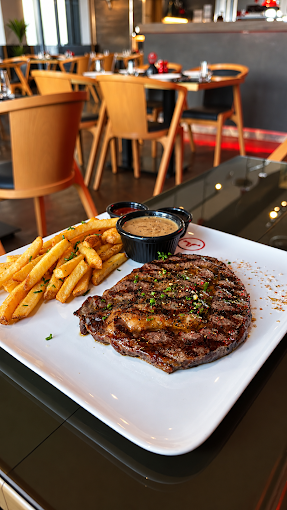
Top sirloin is a practical choice for diners who enjoy beef flavor but prefer a leaner steak. It generally has a firmer bite than tenderloin and can offer good value, although prices vary by restaurant and beef quality.
The word “sirloin” can describe different products, so look for the specific cut on the menu. Top sirloin is not the same as tenderloin, and a “sirloin filet” does not necessarily mean filet mignon. Asking the team to explain a menu term can prevent disappointment.
When comparing the best steak cuts for value, consider top sirloin for a satisfying meal with room for a starter or side. Your preferred portion size and accompaniments may matter more than selecting a prestigious cut name.
Ribeye vs Sirloin: Which Should You Choose?
The ribeye vs sirloin decision usually comes down to richness, texture, and budget.
Choose ribeye if you enjoy marbling and a richer mouthfeel. Choose top sirloin if you prefer a leaner steak with a clear beef flavor and a firmer bite. Neither is universally better: they offer different experiences.
Compare equivalent portions before judging value. A larger bone-in ribeye and a smaller boneless sirloin have different serving weights, and part of the bone-in weight is not edible meat. Sourcing, aging, and included sides can also affect price.
If you are uncertain, describe your preferences to the team. Saying “I want something leaner” or “I enjoy a rich, juicy steak” gives them more useful information than simply asking for the best item.
T-Bone, Porterhouse, and Tomahawk Explained
T-bone and porterhouse steaks combine a strip section and a tenderloin section, separated by a bone. A porterhouse generally has a larger tenderloin portion. They appeal to diners who want contrasting textures within one steak.
A tomahawk is a ribeye presented with a long rib bone. Its dramatic appearance makes it appealing for an occasion, but the underlying meat is still ribeye. The bone adds presentation and weight; it does not create a completely different cut.
When considering a sharing steak, ask how many guests it is intended to serve and which sides work with it. Thermo presents its signature tomahawk as a sharing option for two to three guests. Confirm current availability and portion details with the team before ordering.
The Most Tender Steak Cuts and the Best Cuts for Flavor
Among the most tender steak cuts, tenderloin is the clearest reference point. Flat iron is another option worth knowing, particularly when available as an alternative to more familiar steaks. Tenderness still varies with trimming and preparation.
The best steak cuts for flavor depend on what “flavor” means to you. Ribeye suits diners seeking richness from marbling. Strip offers beefy character with a firmer bite. Top sirloin appeals to those who enjoy a leaner steak without giving up a flavorful meal.
For a simple shortlist, choose filet for tenderness, ribeye for richness, strip for balance, and top sirloin for a leaner profile. These are useful directions, rather than a rigid ranking of the best cuts of steak.
Understanding Premium Steak Cuts, Wagyu, and Aging
Cut names are only part of a menu description. Wagyu and Angus describe cattle backgrounds, while ribeye and tenderloin describe anatomical cuts. You can therefore encounter a Wagyu ribeye or an Angus sirloin.
Aging is another separate factor. Dry aging takes place under controlled conditions and can develop a distinctive flavor as moisture is lost. Wet aging takes place in sealed packaging and offers a different process and flavor profile.
Neither a breed label nor an aging term replaces the need to choose a cut you enjoy. If you are exploring premium steak cuts, ask what makes the specific steak different: its marbling, origin, aging, thickness, or serving size. That explanation is more useful than treating “premium” as a guarantee of personal preference.
Choosing the Best Steak Cuts for Your Meal at Thermo in Al Khobar
Start with your priorities: tender or firm, lean or rich, individual or shared. Then browse the Thermo menu for current dishes, descriptions, and prices. The menu includes steak options such as wet-aged ribeye and top sirloin, alongside a tenderloin dish with mushroom sauce.
Tell the team your preferred doneness and ask which preparation suits your selected cut. If you are sharing, discuss the portion and sides before ordering so everyone knows what to expect.
Ready to make your choice? Visit Thermo’s homepage to request a table, then use Thermo’s location on Google Maps to plan your journey. Confirm your booking with the team before your visit, and enjoy discovering the steak that suits your taste.
Frequently Asked Questions
What are the best steak cuts for beginners?
Ribeye, New York strip, and filet mignon are useful starting points because they offer contrasting experiences. Choose ribeye for richness, strip for balance, or filet for a tender texture. Your first choice should reflect what you enjoy eating.
What is the most tender steak cut?
Tenderloin, commonly served as filet mignon, is generally considered the most tender beef cut. It has a delicate flavor, so choose it when texture matters more to you than heavy marbling or intense richness.
Is ribeye better than sirloin?
It depends on your preferences. Ribeye typically offers more richness, while top sirloin is generally leaner and firmer. Compare portion size, preparation, and price before deciding which is better for your meal.
What are the best beef cuts for steak if I prefer lean meat?
Tenderloin and top sirloin are good options to consider. They offer different textures: tenderloin is softer, while top sirloin has a firmer bite. Trimming and preparation also influence the finished dish.
Is Wagyu a type of steak cut?
No. Wagyu describes cattle genetics rather than a specific anatomical cut. Wagyu beef can be sold as ribeye, strip, tenderloin, and other cuts, each with its own characteristics.
Is tomahawk steak suitable for sharing?
It often is, depending on its size and your group’s appetite. Thermo describes its signature tomahawk as a sharing steak for two to three guests. Check availability and serving details when booking or ordering.