Your first steakhouse meal should feel exciting, not like an exam in unfamiliar terminology. You do not need to recognize every cut, understand every grading system, or choose the most expensive item to enjoy yourself. Finding the best steak for beginners starts with something simpler: knowing the kind of food you already like.
If you prefer a soft texture, consider filet mignon. If you enjoy rich, fatty meat, ribeye may suit you. If you want a leaner steak with a firmer bite, ask about top sirloin. New York strip offers another option when you want beef flavor and a satisfying texture.
This beginner steak guide follows you on your first visit, from reading the menu to making your next choice. Along the way, you will learn what to ask, how to compare portions, and how to turn your preferences into an order. You can then explore Thermo Steakhouse in Al Khobar with a clearer idea of the meal you want.
The Best Steak for Beginners Depends on One Main Preference
Before comparing cuts, decide what matters most: tenderness, richness, or a leaner eating experience. These qualities overlap, but they are not interchangeable. A steak can have a firm bite and still be enjoyable, while a very tender steak may taste subtler than you expect.
Think about familiar foods. Do you enjoy fatty cuts of grilled meat, or do you usually trim away visible fat? Do you prefer soft textures, or do you like something substantial to chew? Would you rather taste the meat on its own or enjoy it with a sauce?
These answers make choosing easier. They also give the restaurant team useful information. Saying “I prefer something tender with less visible fat” is more specific than asking for the best item without explaining your taste.
A Shortlist of the Best Steak Cuts for Beginners
Use this table to narrow your options. Individual steaks vary with sourcing, trimming, aging, thickness, and preparation, so ask about the actual dish before deciding.
| Your priority | Cut to consider | What to expect | Question to ask |
| A soft texture | Filet mignon | Exceptional tenderness and a subtler flavor | What portion size and sauce are available? |
| Richness | Ribeye | Marbling and a full-bodied eating experience | Is it bone-in or boneless? |
| A leaner option | Top sirloin | Beef flavor with a firmer bite | Which sirloin cut is this? |
| Balance | New York strip | Beef flavor and a substantial texture | How much visible fat does this portion have? |
The best steak for beginners is the option that fits your preferences, appetite, and budget. The table is a decision aid rather than a ranking you must follow.
Filet Mignon: When Tenderness Comes First
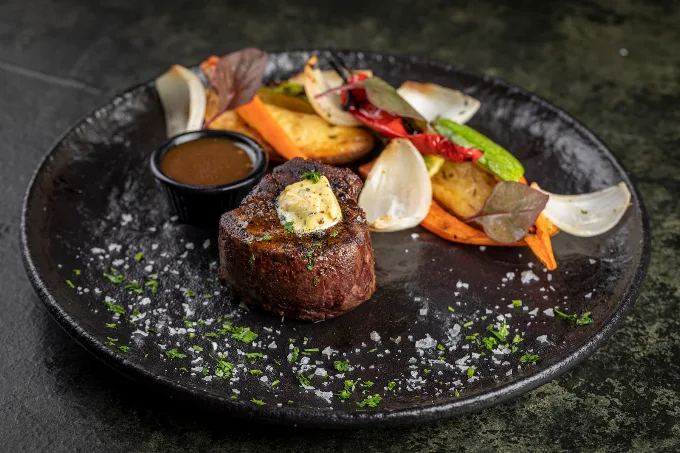
Filet mignon comes from the tenderloin and is known for its exceptionally tender texture. It generally has a more delicate flavor than richly marbled ribeye, making it worth considering if you prefer a softer bite and less visible fat.
If you are searching for the best steak for tenderness, filet is a sensible starting point. However, tenderness alone does not determine whether you will love the meal. Consider the serving size, accompaniments, and whether you enjoy a more restrained beef flavor.
When choosing the best steak for beginners, filet can be helpful for someone who is uncertain about texture. Ask how the dish is presented and whether the sauce can be served separately, if you would like to taste the meat before adding it.
Ribeye: When You Want Richness
Ribeye is a popular option for diners who enjoy marbling: the small streaks of fat within the meat. Its appeal includes a rich mouthfeel and variation between different parts of the steak. That character may suit you if you already enjoy fattier grilled meats.
Ask whether the portion is bone-in or boneless. A bone changes the presentation and contributes to the listed weight, so two steaks with the same total weight may not provide the same amount of edible meat.
Ribeye can be the best steak for beginners who actively enjoy richness. It is less likely to suit someone who dislikes fat and wants every bite to feel uniform. Explain that preference rather than choosing ribeye simply because it is a familiar name.
Ribeye or Sirloin for Beginners?
The ribeye or sirloin for beginners question is mostly about the eating experience you prefer. Ribeye typically offers more marbling, while top sirloin is generally leaner and has a firmer bite. Neither needs to become your permanent favorite after one meal.
Read the complete cut name. Sirloin and tenderloin are different, and “sirloin” can describe more than one product. If the menu wording is unfamiliar, ask the team to clarify rather than expecting it to match filet mignon.
For value, compare the whole dish. Look at portion size, included sides, sourcing, and preparation. A smaller boneless steak and a larger bone-in steak are not equivalent purchases simply because both are listed as steak.

New York Strip: Another Useful Starting Point
New York strip deserves a place on your shortlist if you want beef flavor and a substantial bite. It generally has a firmer texture than filet, and its fat edge may be noticeable depending on how the steak is trimmed.
You might consider it when the softness of filet sounds appealing but its delicate flavor does not, or when ribeye sounds richer than you want. Ask about the actual portion rather than assuming every strip steak will look identical.
The best steak for beginners does not have to be one of only two famous cuts. Keep strip in mind as an alternative, especially if its description and accompaniments match foods you already enjoy.
How to Read a Steak Menu Without Getting Lost
A menu description can include the cut, cattle background, origin, aging method, marbling classification, and weight. Read the cut name first, because it tells you what part of the animal you are ordering. Then consider the other details.
Angus and Wagyu describe cattle backgrounds rather than anatomical cuts. You can therefore encounter an Angus sirloin or a Wagyu ribeye. Aging is another separate detail, while the sauce describes how the finished dish is presented.
When looking for the best steak for beginners, avoid treating a premium label as an automatic recommendation. Ask what the specific description means for flavor, texture, portion, and price. You need enough information to choose comfortably, not a complete lesson in beef production.
Choosing Doneness: Explain What You Prefer
Doneness is part of your order, so discuss it before the steak is prepared. If you already know your preferred level, tell the team. If you are unsure, describe the appearance and texture you are comfortable with and ask them to explain the options.
Do not select a level only because someone else calls it the correct way to eat steak. Your preference matters. Ask how the requested preparation will affect your chosen cut, particularly if you want a fully cooked steak.
Even the best steak for beginners cannot remove the need for a clear conversation. Terms may be familiar to the team but new to you, and a short explanation can prevent a mismatch between what you imagine and what arrives.
A Simple Answer to “What Steak Should I Order?”
If you are wondering, “What steak should I order?”, describe one priority and one constraint. For example: “I want a tender steak, and I would prefer less visible fat.” Or: “I enjoy rich meat, but I want an individual portion.”
Then ask which current options fit. Listen to the explanation of the cut, portion, and preparation before deciding. You can also ask which sides are included and whether a sauce changes the character of the dish.
This approach helps identify the best steak for beginners without relying on a memorized recommendation. It works whether you are dining alone, with a partner, or with friends who have different preferences.
Portion Size and Budget: Make the Meal Comfortable
Choose a portion that fits your appetite and the rest of your order. If you want a starter, leave room for it rather than assuming the largest steak offers the best experience. Ask what the listed weight includes when a bone is present.
Consider the full cost: main dish, sides, sauces, and drinks. Some accompaniments may be included, while others are ordered separately. Checking those details before you commit makes comparing dishes more useful.
The best steak for beginners should fit your budget as well as your taste. An affordable cut you enjoy can be a better first choice than a premium steak that stretches your spending and does not match your preferences.
Sauces and Sides: Support Your First Taste
Choose an accompaniment you already like, whether that means potatoes, vegetables, or a salad from the current menu. Familiar elements can help the meal feel comfortable while you explore a new cut.
If you want to understand the steak’s flavor, ask whether the sauce can come separately. Taste a bite of the meat first, then add as much sauce as you enjoy. You do not have to abandon a favorite sauce to make an informed comparison.
For a first visit, keep the order manageable. One main and a considered accompaniment can tell you more about your preferences than several unfamiliar dishes competing for your attention.
Is a Sharing Steak a Good First Choice?
A large sharing steak can be enjoyable when everyone likes the same style of meat and agrees on doneness. However, individual dishes may be simpler if your group has different preferences or appetites.
When deciding on the best steak for beginners, ask whether sharing makes the choice easier or more complicated. You can share an appetizer or side while keeping control of your own main dish.
Thermo presents its signature tomahawk as a sharing option for two to three guests. If that interests your group, check availability and serving details, then discuss how the portion fits with the rest of your order.
Your First Few Bites: Learn What You Actually Like
Cut a manageable bite and notice the texture before deciding whether you prefer the steak with sauce. You can leave visible fat you do not want to eat; enjoying steak does not require you to enjoy every part equally.
If you are looking for the easiest steak to eat, clarify what “easy” means. You might mean tender meat, a boneless portion, less visible fat, or a simpler serving size. These are different needs and can lead to different recommendations.
Finding the best steak for beginners is partly about discovering your own vocabulary. After the meal, remember what you liked: tenderness, richness, portion, or accompaniments. That information will help you order more confidently next time.
Three Mistakes Worth Avoiding
First, do not assume the most expensive steak must be your ideal choice. Its price may reflect sourcing, aging, or scarcity rather than the texture and flavor you prefer.
Second, avoid changing everything at once when comparing meals. Trying a new cut, sauce, portion, and doneness makes it harder to identify what improved your experience. On a later visit, change one main element if you want a clearer comparison.
Third, do not feel obliged to copy another guest. The best steak for beginners is personal. Your friend may enjoy a fatty ribeye while you prefer a softer filet or leaner sirloin, and both choices can lead to an enjoyable dinner.
Discover Your First Steak at Thermo in Al Khobar
Ready to turn your preferences into an order? Explore the Thermo menu and review the available dishes. The website highlights filet mignon, New York strip, dry-aged ribeye, and other steak options, giving you several starting points to discuss with the team.
Choosing the best steak to order at a steakhouse becomes easier when you can explain your priorities. Tell the team about your preferred texture, visible fat, appetite, and doneness, then ask which current dish fits. Confirm any allergies or dietary requirements before ordering.
For the best steak for beginners at your own table, let your taste guide the decision. Discover Thermo and request a table, browse the dishes that appeal to you, and use Thermo’s Google Maps location to plan your journey. Confirm your reservation with the team before arriving, and make your first visit the beginning of discovering what you love about steak.
Frequently Asked Questions
What is the best steak for first timers?
Filet suits diners prioritizing tenderness, ribeye suits those who enjoy richness, and top sirloin may appeal to someone wanting a leaner option. Start with your preferences and ask about the actual dish rather than assuming one cut suits everyone.
What is the best steak for beginners who dislike fat?
Consider filet mignon or top sirloin, and ask about trimming and preparation. They still contain fat, so “leaner” does not mean completely fat-free. Explain whether your concern is visible fat, richness, or a specific dietary requirement.
Should I order a premium or aged steak on my first visit?
You can if its description appeals to you. Ask what makes it different and whether the flavor matches your preferences. You do not need a premium or aged option to learn what you enjoy about steak.
Can I ask for help without knowing steak terminology?
Yes. Describe the food you enjoy and the texture you want. Questions about portion, sauces, doneness, and visible fat give the team useful information without requiring specialist terms.
Does a boneless steak make ordering simpler?
It can make the portion easier to understand because the listed weight does not include a bone. However, cut, trimming, and preparation still matter, so compare the whole dish before deciding.
How should I choose my next steak after the first visit?
Keep what worked and change one main element. If you enjoyed the doneness and sides, try a different cut with similar preparation. Use your first meal to identify what you want more or less of next time.